What to Do If Your PPF Starts Yellowing or Peeling
If your paint protection film (PPF) starts yellowing or peeling, inspect the affected area and gently wash your vehicle to remove dirt and road residue. Avoid pulling loose edges, applying glue, or using harsh cleaning products, as these can cause further damage. Yellowing may result from aging, UV exposure, or contaminants, while peeling can occur because of poor installation, physical damage, or improper washing. If the discoloration spreads or the edges continue to lift, contact a professional to assess whether the film can be repaired or needs replacement. Regular maintenance and timely inspection help protect your vehicle's paint and keep it looking its best.
Why Your PPF May Be Changing Color or Lifting
Paint protection film is designed to protect your vehicle through Wisconsin winters, summer heat, and everyday driving. However, the film may start to look yellow or develop curling edges over time. Many drivers in Oconomowoc notice these changes gradually and may not know whether they indicate a minor care issue or failing film. Understanding PPF yellowing causes helps you decide what to do next. Vivid Detailing & Customs explains why discoloration and lifting happen, how to respond to these issues, and when to seek professional help. With the right information, you can protect your investment and the paint underneath.
PPF Yellowing Causes and How Discoloration Develops
Yellowing usually develops gradually as the film faces sunlight, heat, dirt, and moisture. How quickly it happens depends on the film quality, vehicle storage conditions, and cleaning routine. Understanding the common PPF yellowing causes helps you identify normal aging and problems that need attention. The following three factors can affect the film's appearance over time.
Aging and Natural Film Breakdown
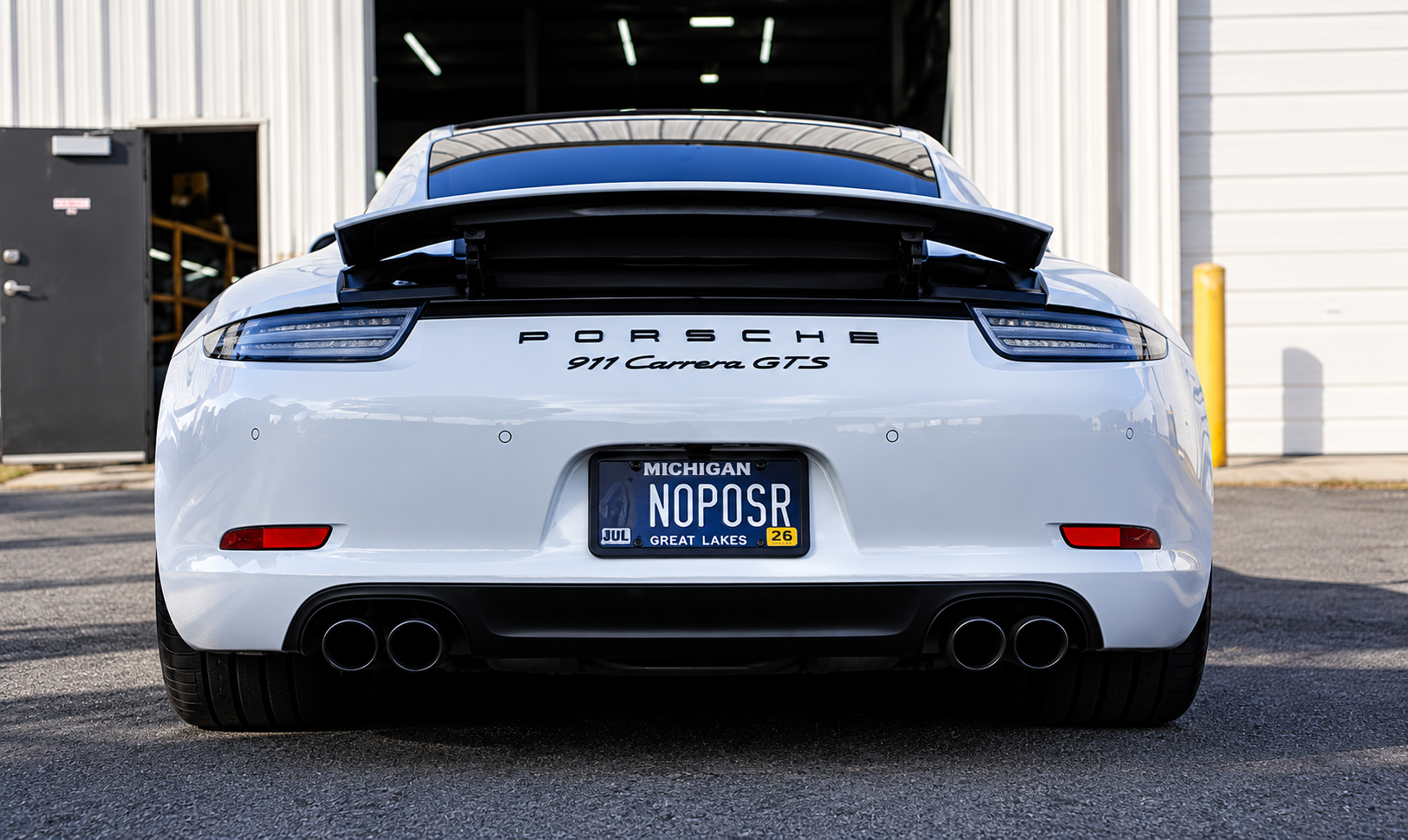
Every protective film has a lifespan, and its materials can change as it ages. Older or lower-quality films are more likely to lose clarity as their surface deteriorates and collects dirt and moisture. This can create a faint amber or cream tint that is easier to notice on white, silver, and other light-colored vehicles. The discoloration may appear evenly across large panels, such as the hood and fenders. This often indicates that the film is nearing the end of its useful life rather than a problem with the original installation.
Prolonged Sun Exposure and UV Damage
Ultraviolet light is a major contributor to yellowing, especially when vehicles remain parked outdoors for long periods. Even high-quality film can experience gradual changes after years of exposure to sunlight and heat. Horizontal panels, such as the roof, hood, and trunk lid, often receive more direct sunlight and may show discoloration first. Parking in a garage or shaded area whenever possible can help slow this process and preserve the film's clarity.
Contaminants, Road Salt, and Harsh Wisconsin Conditions
Wisconsin weather exposes paint protection film to road salt, slush, bugs, and sudden temperature changes. When these contaminants remain on the surface, they can leave stains or make the film appear cloudy or yellow, particularly along lower panels where road spray collects. Harsh cleaning products and irregular washing can make the problem worse by allowing residue to build up. Regular washing with gentle products helps remove corrosive buildup before it affects the film's appearance.
Why PPF Starts Peeling or Lifting at the Edges
Yellowing affects the film's appearance, while peeling can reduce its protective performance. When an edge lifts, dirt and water can get underneath, and the damage may spread if left untreated. Lifting often begins around corners, door edges, or curved surfaces where the film experiences greater tension. Vivid Detailing & Customs provides professional paint protection film services to help maintain your vehicle's paint protection and appearance. Understanding the common causes helps you decide whether the issue requires a simple correction or professional attention.
Improper Installation or Surface Prep
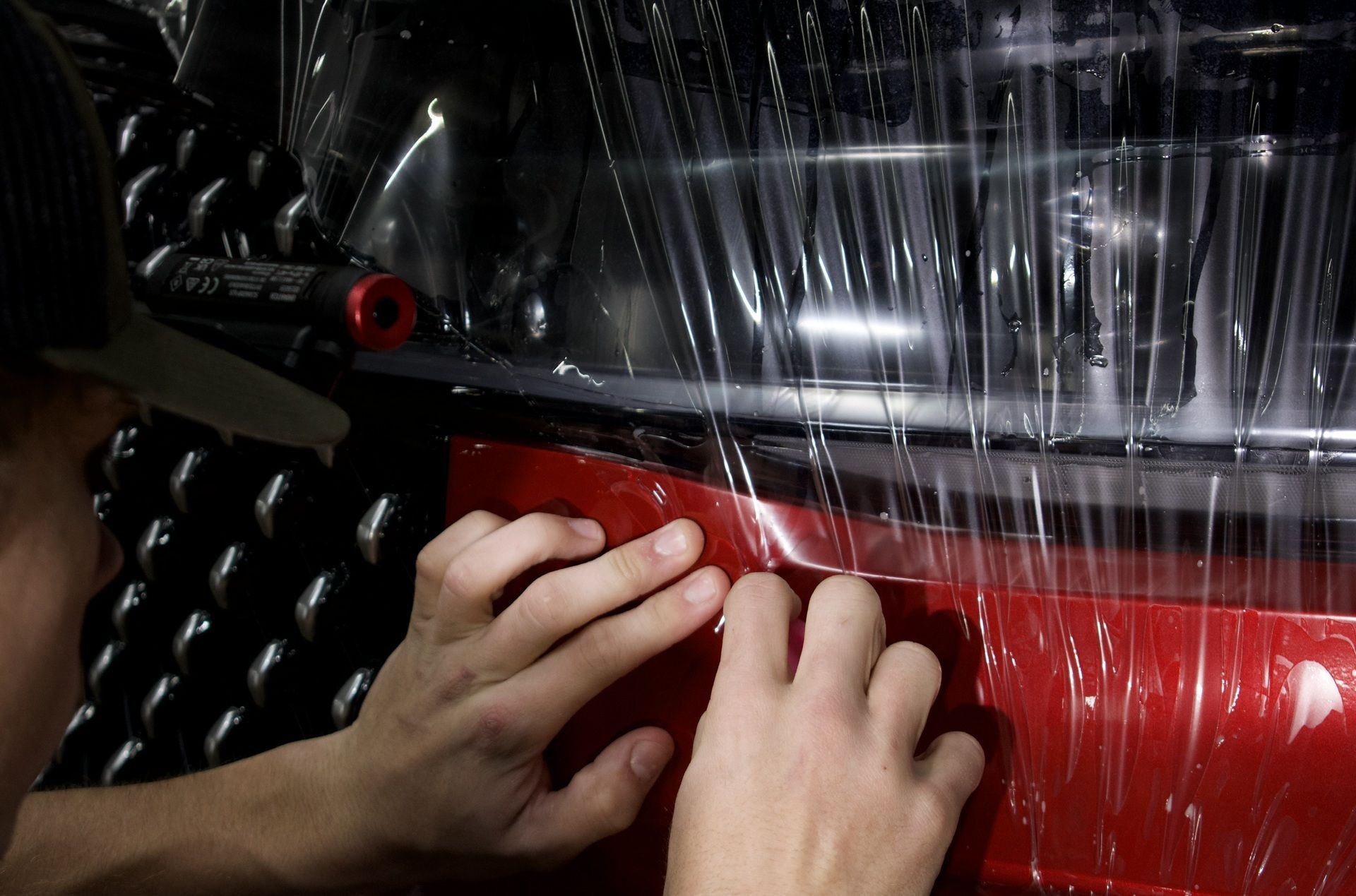
Proper installation plays an important role in how long paint protection film stays in place. If the paint is not thoroughly cleaned before application, dirt and other particles can interfere with the adhesive and create weak spots. Poor trimming, excessive stretching around tight curves, and rushed application near edges can also cause tension that pulls the film away from the surface. Choosing an experienced installer helps ensure proper preparation, accurate application, and secure edges that can last for years. Professional paint protection film installation helps prevent premature peeling, supports proper adhesion, and keeps your vehicle’s paint protected for longer.
Improper Washing and Care Habits
Your regular cleaning routine can extend the life of your film or cause premature damage. Using a pressure washer too close to the edges can force water underneath and weaken the adhesive. Abrasive sponges, harsh chemicals, and automatic car washes with stiff brushes can also damage the film. Picking at a loose edge may turn a small issue into a larger problem. Gentle hand washing with pH-balanced soap and a soft microfiber mitt helps keep the film clean without placing unnecessary stress on its edges.
Physical Damage, Rock Chips, and Wear
Paint protection film absorbs impacts, but repeated damage can eventually affect its condition. Rock chips, minor scratches, and road debris can damage the film and weaken its edges. Once an edge begins to lift, moisture and dirt can collect underneath. High-impact areas, including the front bumper, mirror caps, and leading edge of the hood, are especially vulnerable because they receive frequent contact with road debris. Inspecting these areas regularly helps you identify damage before it spreads.
What to Do When You First Notice Yellowing or Peeling
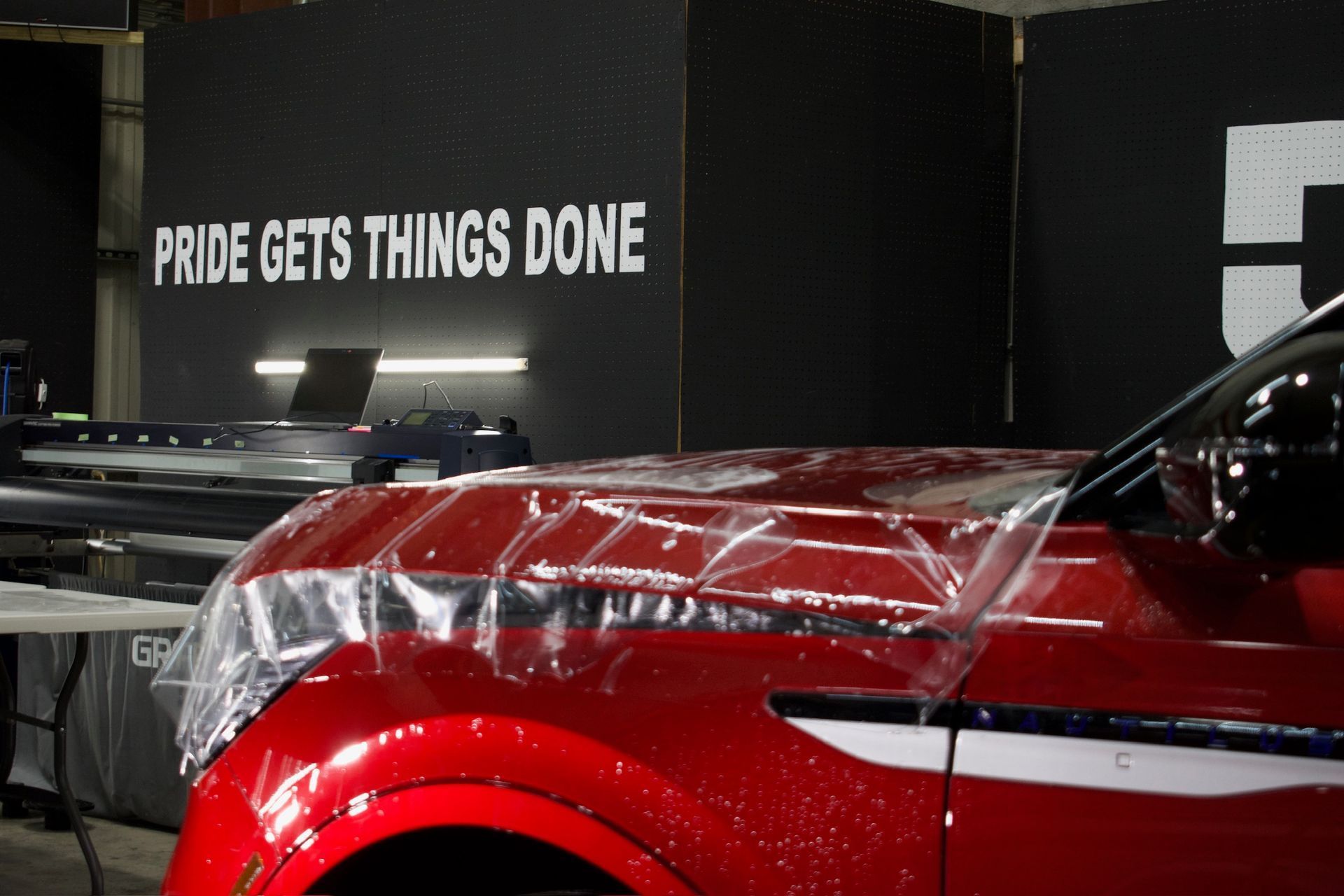
When you notice discoloration or a lifted edge, avoid quick fixes that could cause further damage. Start by gently washing the vehicle to remove dirt and residue that may make the discoloration more noticeable. Inspect the affected area in good lighting and avoid pressing down, trimming, or gluing loose edges yourself. These actions can trap debris or make professional repairs more difficult. Take clear photos to track changes over time and keep your installation paperwork available in case the film is covered by a warranty. Keeping the area clean until it can be inspected helps you find the right solution.
When Professional Inspection, Repair, or Replacement Is Necessary
Some film issues can be monitored, while others require professional attention. If yellowing spreads, edges continue to lift, or bubbling, cracking, or exposed paint appears, arrange an inspection. A trained technician can determine whether the affected edge can be repaired, an individual panel needs replacement, or the film has reached the end of its useful life. Removing damaged film requires care because improper techniques can harm the paint underneath. Vivid Detailing & Customs can assess your film and recommend the appropriate solution. Visit our paint protection film services page to learn more before scheduling a visit.
How Proper PPF Maintenance Preserves Appearance and Protection
Regular maintenance helps reduce the risk of yellowing, peeling, and premature wear. Wash your vehicle with gentle products, remove road salt and grime promptly during winter, and keep pressure washers away from film edges. Park in a garage or shaded area when possible, and arrange occasional inspections to identify small problems early. Choosing high-quality film and professional installation also helps improve durability. These habits can preserve the film's appearance and help it continue protecting your vehicle's paint.
Final Thoughts: Protect Your Investment With Expert Care in Oconomowoc, WI
Yellowing and peeling can be frustrating, but understanding their causes helps you respond appropriately. Film aging, sun exposure, harsh weather, improper washing, and physical damage can all contribute to these problems. Addressing them early helps preserve the film's appearance and protective function. If you notice changes to your vehicle's paint protection film, Vivid Detailing & Customs can inspect the affected areas and recommend the right solution.
Contact us today to help keep your vehicle protected and looking its best.