Top Signs Your Paint Protection Film Needs Replacement
Paint protection film helps preserve a vehicle’s finish by creating a transparent barrier against road debris, light scratches, stains, and environmental contamination. However, the film does not remain in perfect condition indefinitely, especially when a vehicle is regularly exposed to changing temperatures, road salt, moisture, sunlight, and highway debris around Oconomowoc, WI. Some forms of deterioration are easy to notice, while others develop gradually and affect the film’s appearance or adhesion. Recognizing the Signs PPF Needs Replacement allows vehicle owners to address aging film before larger sections begin to fail. A professional inspection can determine whether one damaged section or a more complete replacement is the appropriate solution.
Why Aging or Damaged PPF Should Not Be Ignored
Aging PPF may remain attached to a vehicle while providing less consistent coverage than it did after installation. Weakened adhesive, open edges, cracks, and surface damage can create areas where moisture, dirt, and road contaminants collect. These problems may spread beyond the original affected section when they are not evaluated promptly. Severely deteriorated film can also become more challenging to remove because it may break into smaller pieces during the removal process. Addressing the problem early helps preserve the underlying paint and makes it easier to restore a smooth, uniform protective surface.
Visible Signs PPF Needs Replacement
Many of the first warning signs appear on the film’s surface or around the edges of a protected panel. A quick visual inspection after washing the vehicle can reveal lifting, persistent bubbles, color changes, and other irregularities that are difficult to see when the surface is dirty. Not every small imperfection means the entire application must be removed, but changes that continue spreading should be professionally inspected. Understanding these visible warning signs can help Oconomowoc vehicle owners decide when their existing film requires attention.
Peeling or Lifting Edges
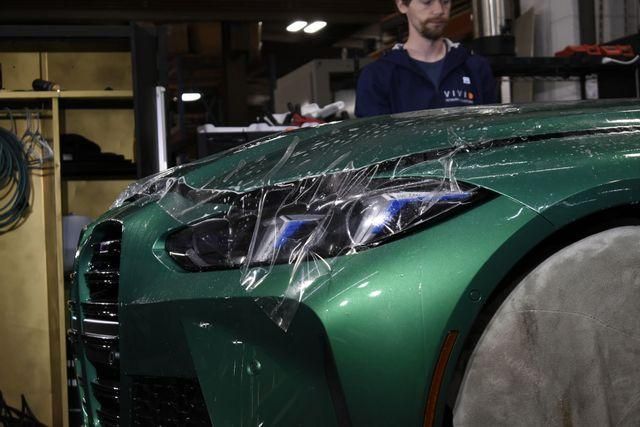
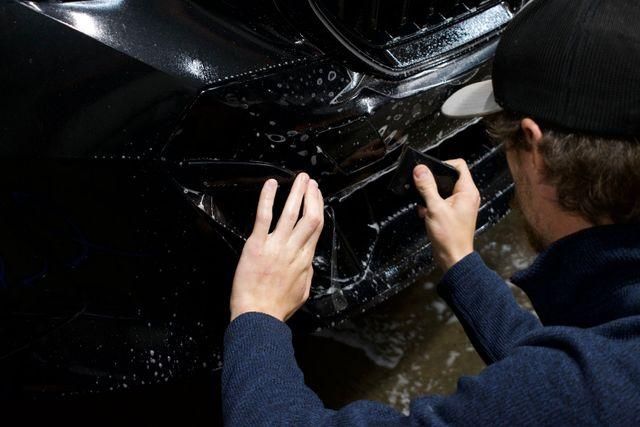
Peeling commonly begins along panel edges, corners, seams, and areas with complex curves because these sections experience ongoing tension and exposure. Repeated pressure washing, aggressive cleaning, contamination, age, or weakened adhesive may gradually cause the film to separate from the surface. Once an edge lifts, it can trap dirt and moisture, creating a dark and noticeable border that cannot be corrected through ordinary washing. The loose area may continue expanding as air and water move beneath the film. Replacement is often the most dependable option when the adhesive has failed, or the lifted section can no longer remain securely attached.
Bubbles That Do Not Disappear
Small moisture pockets can occasionally be visible shortly after a new PPF installation and may settle as the film finishes curing. Bubbles that appear long after installation or continue growing beneath older film can indicate contamination, trapped air, or adhesive separation. These pockets interrupt the film’s smooth appearance and may prevent it from sitting evenly against the paint. Pressing or puncturing the bubbles at home can damage the film and create additional openings for contamination. Persistent bubbling should be inspected by a professional who can determine whether the affected panel needs to be removed and covered with new film.
Yellowing, Cloudiness, or Discoloration
Paint protection film should allow the original paint color and finish to remain clearly visible, but aging material may eventually become yellow, cloudy, stained, or uneven. This deterioration is often particularly noticeable on white, silver, and other light-colored vehicles. Environmental contamination, prolonged UV exposure, chemical residue, and the natural aging of the film can all contribute to a change in clarity. Washing may remove surface dirt, but it will not reverse discoloration that has developed within the material. Replacement can restore a cleaner and more consistent appearance when the film itself is responsible for the visible color change.
Physical and Performance Problems With Older PPF
Not all PPF problems begin with peeling or discoloration, as the material may also lose flexibility or sustain damage from everyday driving. Film installed on high-impact areas such as the front bumper, hood, mirrors, fenders, and rocker panels often receives the greatest exposure to debris. Minor marks may affect only the surface, while more serious damage can compromise the film’s protective barrier. Examining these vulnerable areas periodically makes it easier to find deterioration before it spreads or leaves the paint exposed.
Cracking, Dryness, or Brittle Film
Healthy paint protection film should remain flexible enough to follow the contours of the vehicle without splitting or separating. As certain films age, they may become dry or brittle and develop small cracks across the surface. These cracks can collect residue and create an uneven appearance that becomes more visible in direct light. Brittle material may also tear during removal instead of releasing cleanly from the panel. When cracking affects a large portion of the film, professional replacement is generally more practical than attempting to improve its appearance with cleaning products or surface treatments.
Deep Scratches, Tears, or Impact Damage
The self-healing top layer found on quality PPF can help reduce the visibility of some light surface marks when exposed to warmth. However, it cannot repair every type of damage, particularly deep scratches, punctures, tears, or impact marks that pass through the material. A significant cut may create an opening that leaves part of the painted panel vulnerable to moisture and contamination. Damage may also make the film look rough or uneven even when the paint beneath it remains intact. Replacing the compromised section restores continuous coverage and allows the film to protect the area from future road hazards.
Reduced Clarity and Overall Appearance
PPF can gradually lose its clean appearance even when it has not developed obvious cracks or lifting edges. Embedded contamination, permanent stains, water spotting, abrasion, and surface wear may leave the film looking dull or hazy. This change can be especially noticeable when one protected panel appears different from an adjacent section of exposed paint or newer film. Professional cleaning may improve contamination that is resting on the surface, but it cannot correct deterioration within the film. If clarity and smoothness cannot be restored safely, replacement may be necessary to bring back a more consistent finish.
When One PPF Section Can Be Replaced
A damaged section does not always mean every piece of paint protection film must be removed from the vehicle. If the issue is limited to one bumper, mirror, fender, hood, or rocker panel, a professional may be able to replace only the affected piece. The surrounding film must still be inspected for age, discoloration, adhesion, and overall condition so the new section does not look noticeably different. Matching an older installation can become difficult when the remaining film has changed in clarity or color over time. A panel-specific evaluation helps determine whether isolated replacement will provide dependable protection and a visually consistent result.
When Complete PPF Replacement May Be Necessary
Complete or multi-panel replacement may be appropriate when deterioration appears throughout the vehicle rather than in one isolated location. Widespread cracking, repeated edge failure, extensive discoloration, and bubbling across several panels can indicate that the film has reached the end of its useful service life. Replacing only one piece in this situation may temporarily correct the most visible problem while leaving other weakened sections in place. The age, condition, coverage, and maintenance history of the film should all be considered before making a decision. Professional guidance allows the replacement plan to address the vehicle’s actual needs without removing film that remains in suitable condition.
Why Timely PPF Replacement Helps Protect the Paint
Replacing failing PPF promptly helps restore an even barrier over areas regularly exposed to stones, insects, road grime, moisture, and minor abrasions. Open edges, cracks, and tears can reduce coverage and allow contamination to collect near the painted surface. Timely replacement also prevents a small area of adhesive failure from spreading across a larger portion of the panel. Drivers around Oconomowoc may encounter road salt, temperature changes, construction debris, and other conditions that place stress on exterior surfaces. Maintaining intact film helps preserve the vehicle’s appearance while reducing direct exposure to common road hazards.
How Professionals Evaluate and Replace Old PPF
Professional
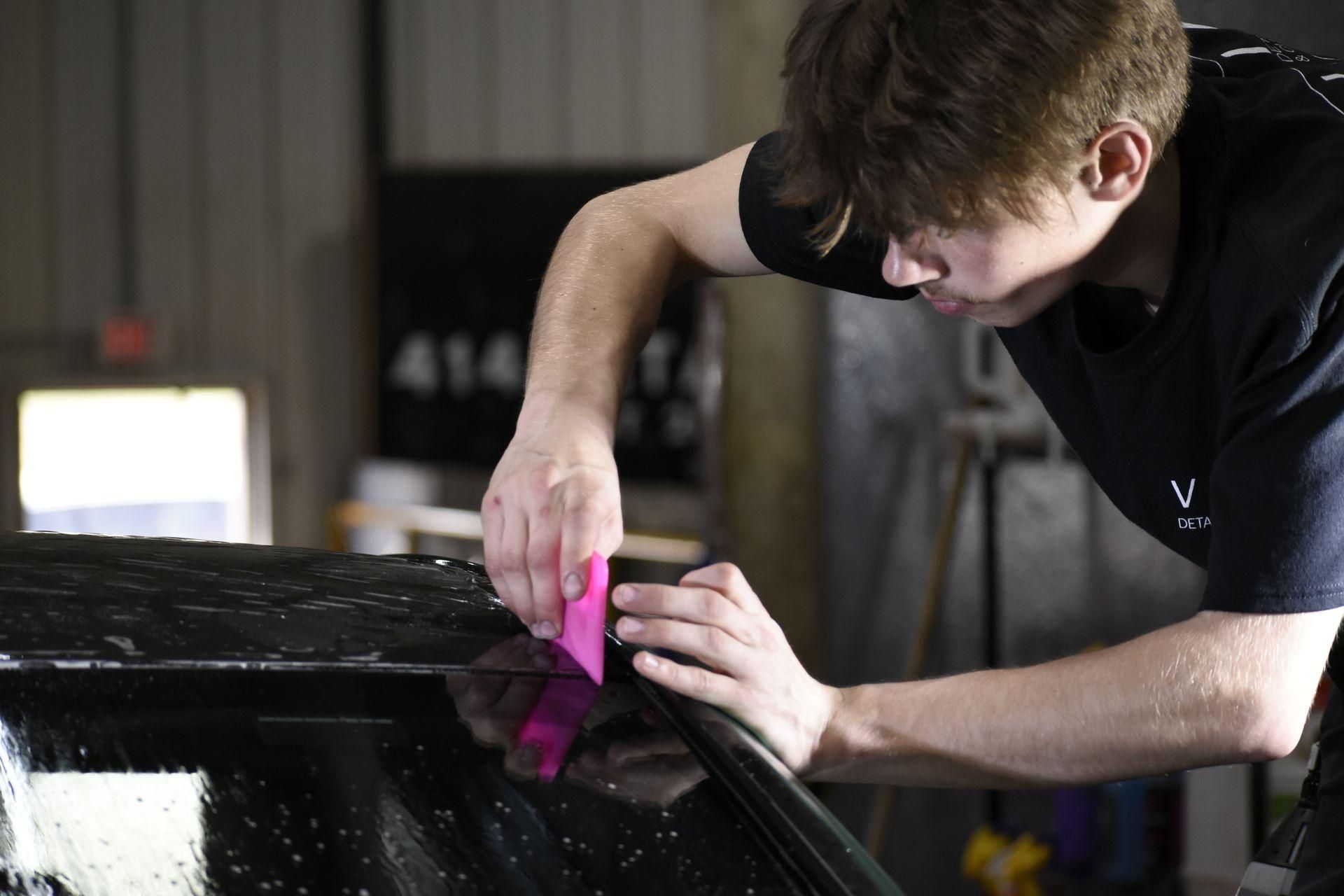
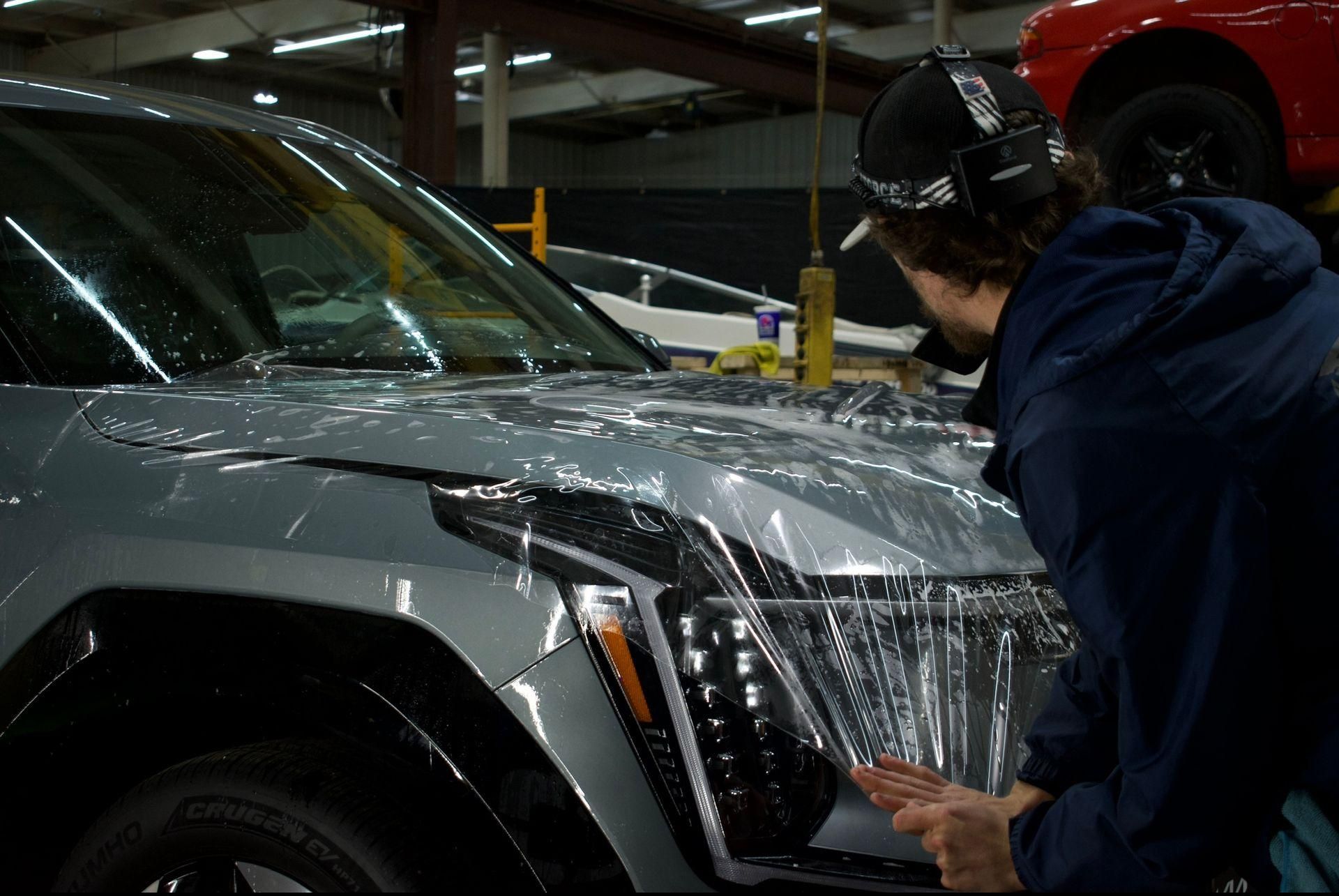
paint protection film installation helps ensure precise coverage, secure adhesion, and dependable protection for vulnerable painted surfaces. A professional replacement begins with inspecting the film, its edges, the underlying paint, and the surrounding panels. The old material must then be removed carefully with controlled techniques that reduce unnecessary stress on the finish. After removal, adhesive residue and contamination are cleaned away so the paint can be examined and prepared for new coverage.
Vivid Detailing & Customs uses a detailed PPF installation process that includes washing and preparation, a custom-fit pattern for the vehicle, precise application, and a final inspection. This structured approach helps the replacement film follow the vehicle’s contours while producing smooth, consistent coverage.
How to Help the New Film Last Longer
Proper maintenance can help new PPF retain its clarity, adhesion, and protective qualities for a longer period. Gentle hand washing, suitable automotive cleaning products, and soft wash materials reduce avoidable abrasion and chemical exposure. High-pressure water should not be directed closely against the film’s edges because the force may contribute to lifting. Bird droppings, insects, road residue, and other contaminants should be removed promptly before they become more difficult to clean. Periodic inspections can also identify a loose edge or damaged area while it is still limited to a manageable section.
Restore Reliable Paint Protection in Oconomowoc, WI
Peeling edges, persistent bubbles, discoloration, cracking, tears, and declining clarity are some of the clearest Signs PPF Needs Replacement. Although certain concerns may affect only one panel, widespread deterioration can require a more complete removal and reapplication. Acting before damaged film continues to separate can help preserve the underlying paint and maintain a cleaner exterior appearance. Vivid Detailing & Customs provides professional paint protection film services with coverage options for vulnerable areas and more extensive portions of the vehicle.
Contact us to schedule a PPF inspection in Oconomowoc, WI, and determine the right replacement approach for your vehicle.