How Window Tinting Protects Your Car Interior from Fading and Cracking
Sunlight can gradually affect the appearance and condition of your vehicle’s interior, especially when your car spends long hours outdoors or regularly travels in direct sunlight. Over time, ultraviolet (UV) radiation and heat can contribute to faded upholstery, discolored dashboards, dry surfaces, and cracks in interior materials. These changes can make an otherwise well-maintained vehicle look older than it is. Professional window tinting offers a practical way to reduce the amount of UV radiation and solar heat entering through the glass. For drivers in Oconomowoc, WI, Window Tint UV Protection can be an important consideration when maintaining a comfortable cabin and preserving the appearance of a vehicle. Vivid Detailing & Customs provides automotive window tinting services designed to improve driving comfort while helping protect the interior from prolonged sun exposure.
How Sun Exposure Causes Interior Fading and Cracking
Sunlight affects vehicle interiors through a combination of UV radiation, visible light, and heat, which can gradually change the appearance and condition of different materials. Vehicles parked outside in Oconomowoc, WI, may experience repeated exposure throughout the year, making interior protection a useful part of regular vehicle care. Although material quality, age, and maintenance also influence deterioration, reducing direct exposure can help limit some of the effects associated with prolonged sunlight.
UV Rays and Fading Upholstery
Ultraviolet radiation can contribute to the fading of fabric, leather, and other materials used inside a vehicle. Over time, repeated exposure may cause seat colors to become less vibrant, making upholstery appear uneven or worn. The effects can be particularly noticeable on surfaces that receive direct sunlight through the side or rear windows during regular driving and parking. Although different materials respond differently to UV exposure, reducing the amount of radiation entering the cabin can help preserve their original appearance. Quality window film provides an additional layer of protection by filtering a substantial portion of UV rays, depending on the product's specifications. For vehicle owners who want to maintain their interiors, this protection can complement appropriate cleaning and material-specific care.
Heat Buildup and Drying Interior Materials
Heat entering through vehicle windows can make the cabin uncomfortable and expose interior surfaces to repeated temperature changes. Dashboards, seat coverings, and trim pieces may gradually lose their original appearance as materials age and experience prolonged heating. Some surfaces can become dry or brittle over time, although the extent of deterioration depends on the material, its condition, and the surrounding environment. Parking in direct sunlight can also make steering wheels, seats, and other frequently touched surfaces unpleasantly hot. Window tinting can help reduce solar heat entering the vehicle when the selected film has suitable heat-rejection properties. By limiting some of this heat buildup, drivers can improve cabin comfort while supporting their broader efforts to maintain the vehicle's interior.
Dashboard Discoloration and Surface Cracking
Dashboards and other upper interior surfaces often receive considerable sunlight through the windshield and side windows. Repeated exposure can contribute to discoloration, surface deterioration, and cracking, particularly when combined with aging and temperature fluctuations. Plastic, vinyl, and other dashboard materials may respond differently to these conditions, so the risk varies between vehicles. Once a dashboard develops deep cracks or significant fading, window tinting cannot restore the original finish. However, reducing UV exposure and solar heat through suitable window film can help limit two contributing factors in future deterioration. Drivers who want to maintain a clean, well-kept cabin should consider window tinting alongside regular interior maintenance and practical parking habits.
How Window Tint UV Protection Helps Preserve Your Car Interior
Window tinting can help protect vehicle interiors by reducing the amount of ultraviolet radiation that passes through the glass and reaches interior surfaces. Modern automotive window films are available with different levels of UV protection and solar heat rejection, so choosing a suitable product is important. For drivers seeking Window Tint UV Protection in Oconomowoc, WI, Vivid Detailing & Customs offers window tinting services that can support interior preservation while improving everyday comfort. The right film can help reduce sun-related exposure without requiring drivers to rely entirely on shaded parking or other protective measures. Although no window film can prevent every form of interior wear, quality tinting can be a valuable part of a long-term vehicle care routine.
Reducing UV Exposure Inside the Vehicle
Quality automotive window film is designed to filter UV radiation before it reaches the vehicle's interior. This can help reduce exposure for seats, dashboards, door panels, and other surfaces that may otherwise receive sunlight during everyday driving. The actual level of protection depends on the film's specifications and the glass on which it is installed, making product selection an important consideration. UV protection is not determined by darkness alone, so a lighter-looking film may also provide substantial protection when designed for that purpose. By selecting a suitable film through a professional window tinting service, vehicle owners can address one of the factors associated with fading and material deterioration. This can be especially useful for drivers who regularly commute, travel around southeastern Wisconsin, or leave their vehicles parked outdoors.
Helping Protect Seats, Dashboards, and Trim
Different interior materials can respond differently to prolonged sunlight, but upholstery, dashboard coverings, armrests, and decorative trim may all benefit from reduced UV exposure. Fabric seats can gradually lose color, while leather and synthetic materials may experience changes in appearance as they age. Dashboard surfaces can also become discolored when exposed to sunlight for extended periods. Window tinting helps reduce the amount of UV radiation entering through treated windows, supporting the preservation of these surfaces over time. The level of protection depends on the film selected, the areas of glass covered, and the existing condition of the interior. For drivers in Oconomowoc, WI, professional tinting from Vivid Detailing & Customs offers a practical option for making interior protection part of routine vehicle maintenance.
Supporting Long-Term Interior Appearance
Maintaining a vehicle's interior involves more than occasional cleaning because sunlight can gradually affect surfaces even when the cabin is kept tidy. Window tinting helps reduce UV exposure and, with appropriate heat-rejecting film, can also limit some of the solar heat entering through the windows. These benefits can support efforts to keep upholstery colors consistent, maintain the appearance of dashboard materials, and reduce exposure-related deterioration. However, tinting should not be considered a substitute for cleaning, conditioning products suited to specific materials, or repairing existing damage. Combining professional window film installation with regular care provides a more balanced approach to interior preservation. Over time, these measures can help a vehicle remain comfortable and presentable for daily use.
How Window Tinting Helps Reduce Interior Heat
Heat buildup is another important reason drivers consider automotive window tinting. When sunlight passes through vehicle glass, it can warm the cabin, making seats, dashboards, and steering wheels uncomfortable to touch after the car has been parked. A suitable heat-rejecting film can reduce the amount of solar energy entering through the treated windows, helping the interior feel more comfortable in sunny conditions. This benefit is relevant for drivers in Oconomowoc, WI, who want to make everyday trips more pleasant and reduce the intensity of heat buildup inside their vehicles. Actual results depend on the film type, window coverage, weather, and parking conditions, and tinting cannot eliminate all heat entering a car.
How Window Tinting Helps Maintain Interior Comfort During Daily Driving
Interior comfort plays an important role in the overall driving experience, particularly when a vehicle is exposed to sunlight for several hours. Sunlight entering through the windows can warm the seats, steering wheel, dashboard, and other surfaces, making the cabin uncomfortable when drivers return to their vehicles. Quality window tinting can help reduce solar heat entering through the glass, depending on the film's heat-rejection capabilities. This can make everyday commutes and longer journeys more comfortable while complementing the film's UV protection benefits. For drivers in Oconomowoc, WI, choosing an appropriate window film can be a practical way to improve cabin comfort without relying entirely on shaded parking.
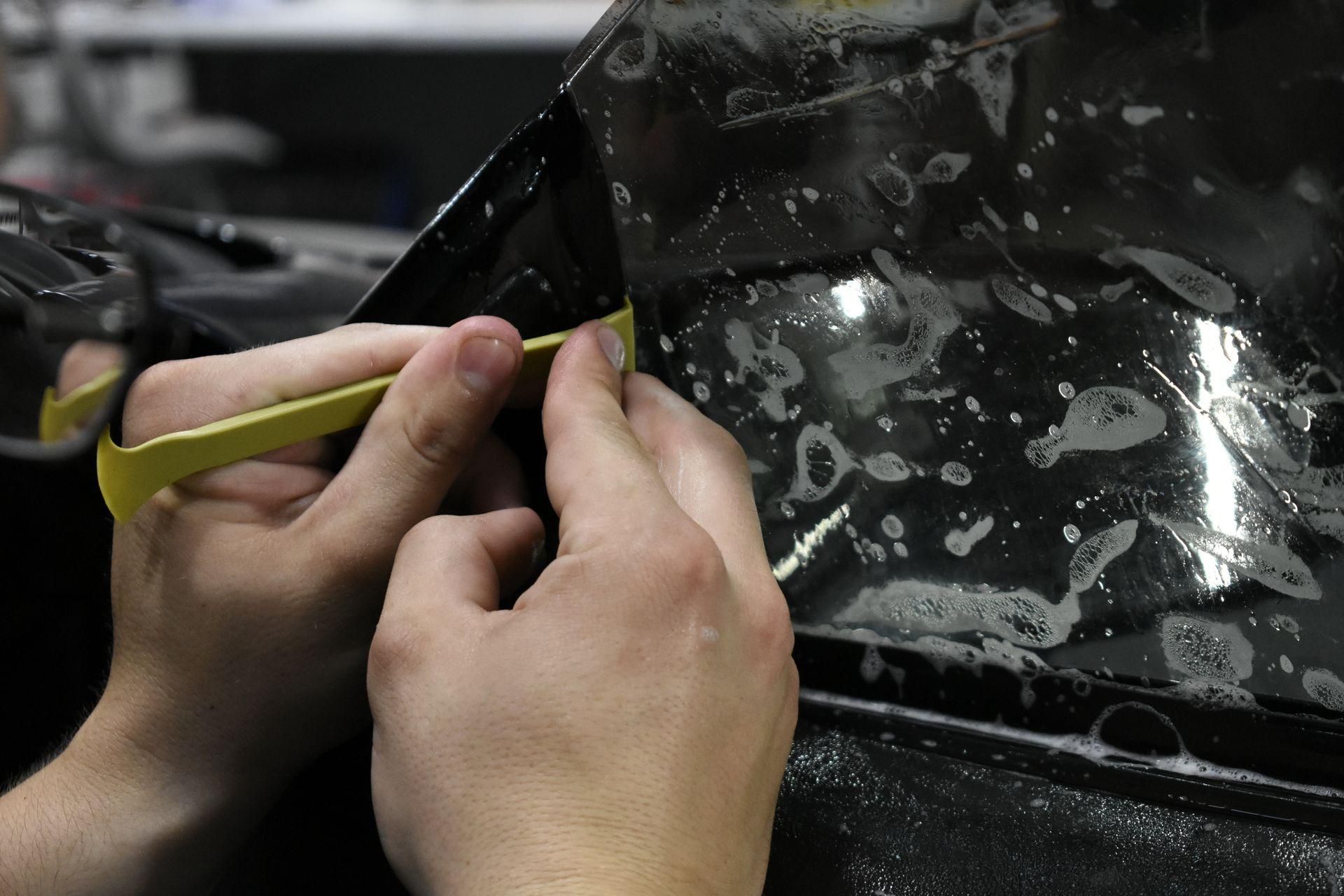
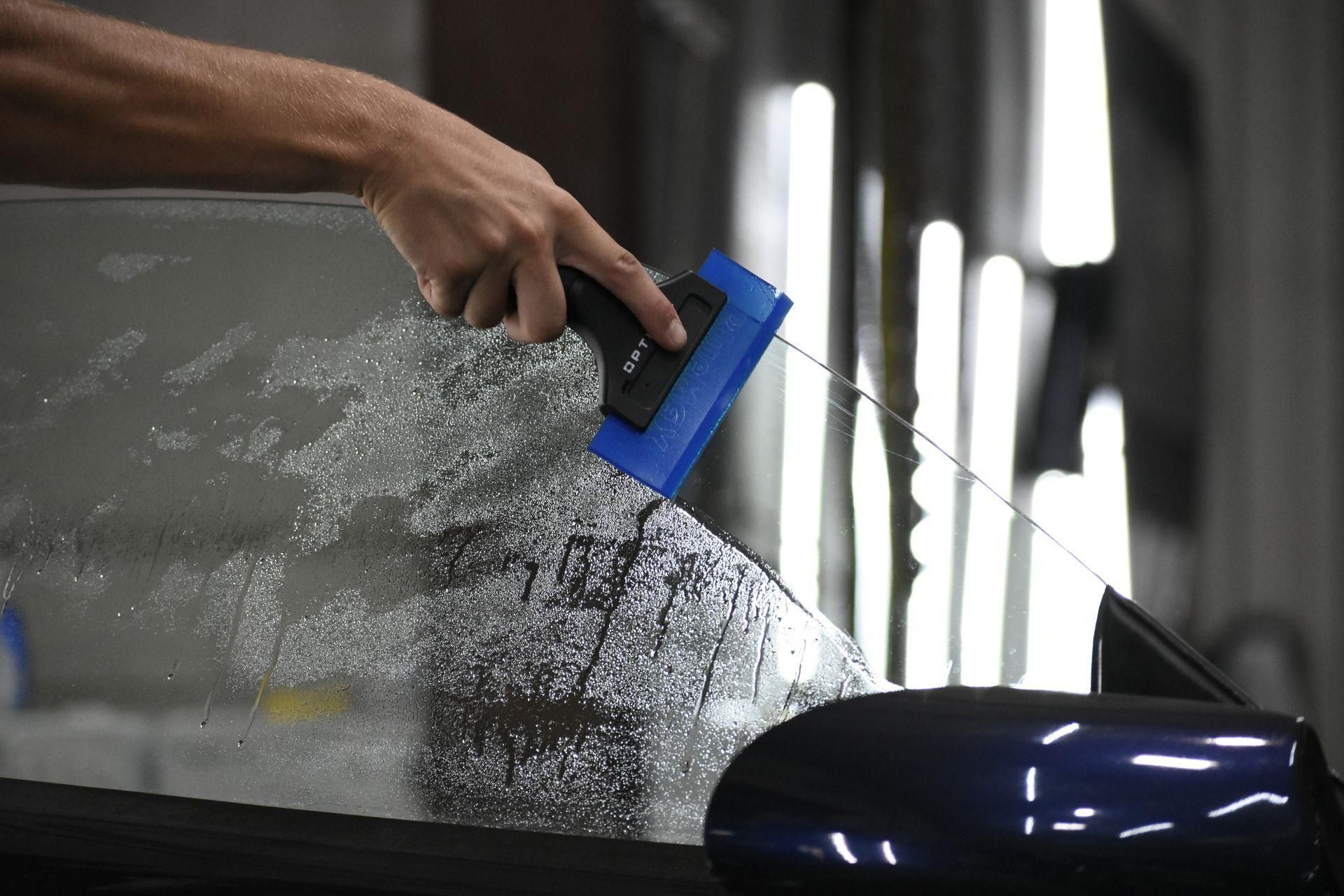
Professional window tinting installation from Vivid Detailing & Customs in Oconomowoc, WI, helps reduce solar heat and UV exposure while enhancing driving comfort and supporting long-term interior protection.
What to Consider Before Tinting Your Car Windows
Before choosing automotive window tint, vehicle owners should consider their priorities, including UV protection, heat rejection, appearance, and visibility. Different window films offer different performance levels, so reviewing product specifications is more useful than choosing a film based only on its darkness. Drivers should also consider how they use their vehicles, how much time they spend driving in direct sunlight, and whether they frequently park outdoors. Wisconsin's applicable window-tint regulations should be checked before selecting a shade, as legal requirements can vary by window location and vehicle type. Vivid Detailing & Customs can help drivers in Oconomowoc, WI, explore window tinting options that suit their preferences and practical needs.
Protect Your Car Interior with Window Tinting in Oconomowoc, WI
Prolonged sunlight can gradually affect a vehicle's upholstery, dashboard, and other interior surfaces, while solar heat can make the cabin uncomfortable during everyday use. Quality window tinting helps address these concerns by filtering UV radiation and, when the selected film is designed for it, reducing solar heat entering through the glass. For drivers looking for professional window tinting in Oconomowoc, WI, Vivid Detailing & Customs offers automotive window film solutions that can help improve cabin comfort and support long-term interior preservation. Choosing the right film involves considering UV protection, heat rejection, visibility, appearance, and compliance with applicable tint regulations. Although window tinting cannot prevent all interior aging or eliminate every source of heat, it can provide a practical layer of protection when combined with sensible parking habits and regular interior care.
Contact us today to learn more about professional window tinting and find the right solution for your vehicle in Oconomowoc, WI.